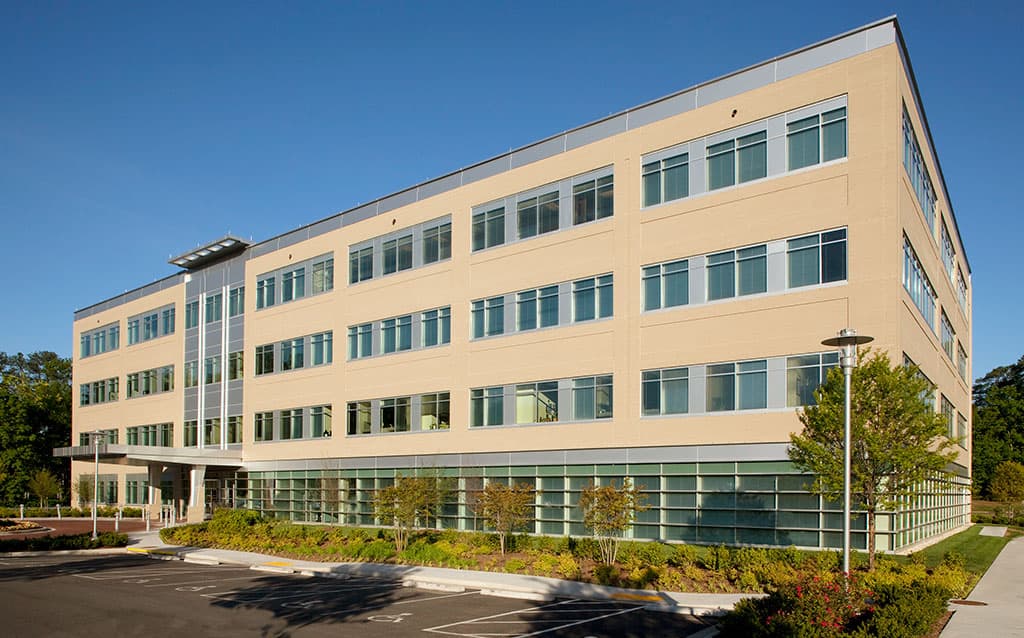
Property overview
Medical office properties in Austin, TX offer 1031 exchange investors access to a recession-resistant asset class anchored by healthcare demand that grows regardless of economic cycles. From single-specialty clinics to multi-tenant medical office buildings near hospital campuses, these properties benefit from aging demographics, healthcare system expansion, and the shift toward outpatient care delivery. The Austin metro's growing population and expanding hospital networks create sustained demand for medical office space that supports both income stability and long-term appreciation.
Why investors choose this type
Recession-Resistant Demand
Healthcare needs persist through economic downturns, making medical office one of the most defensive commercial property types available. Demand is driven by demographics and essential services rather than discretionary consumer spending, providing insulation from business cycle volatility.
Superior Tenant Retention
Medical practices invest heavily in specialized buildouts including plumbing, electrical, and equipment infrastructure. The cost and complexity of relocating these installations results in higher-than-average tenant retention rates, reducing turnover expenses and vacancy risk.
Premium Rental Rates
Medical tenants pay premium rents compared to general office tenants, reflecting the specialized buildout requirements and location needs of healthcare practices. These higher rents translate directly to stronger net operating income for exchange investors.
Demographic Growth Tailwinds
Aging populations and healthcare system expansion across Central Texas drive sustained long-term demand for medical office space. The Austin metro's rapid population growth compounds this demand as new residents require proximity to healthcare providers.
Common questions
Why is medical office considered a defensive 1031 exchange replacement property?
Healthcare demand is driven by demographics and essential services rather than discretionary spending. Medical tenants invest heavily in buildout, making them less likely to relocate. These factors create stable, predictable income that withstands economic downturns better than most commercial property types.
What should I look for in a medical office replacement property?
Key factors include proximity to hospital campuses or healthcare corridors, tenant specialty mix, lease term and structure, building systems quality, and parking ratios. Properties near major health systems in Austin tend to benefit from referral networks and patient traffic that support tenant stability.
Are there special due diligence items for medical office 1031 exchanges?
Yes. Medical office due diligence should include review of specialized HVAC and plumbing systems, ADA compliance, medical waste handling, tenant improvement allowance obligations, and any certificates of need or licensing requirements that affect tenant operations and lease security.
Speak with our desk