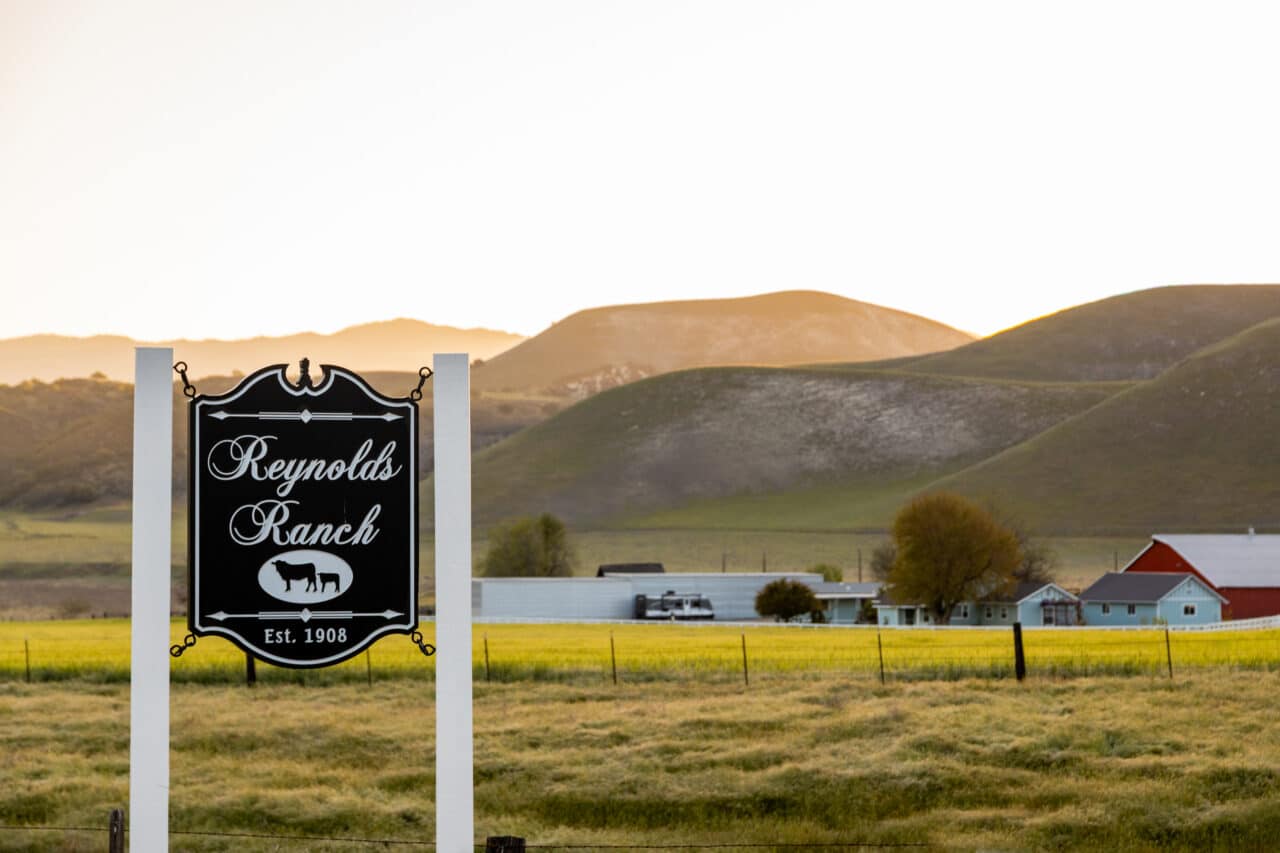
Property overview
Ranch and recreational land across the Austin, TX region and the broader Texas Hill Country offers 1031 exchange investors a unique combination of long-term land appreciation, agricultural income potential, and lifestyle benefits. Whether used for cattle operations, hunting leases, conservation easements, or future development, qualifying ranch and land assets provide tax-deferred wealth preservation for investors exiting urban commercial properties. Texas land values have demonstrated strong historical appreciation, particularly in corridors experiencing population growth and infrastructure expansion.
Why investors choose this type
Long-Term Land Appreciation
Texas population growth and limited supply of quality acreage drive consistent land value increases over time. Corridors between Austin and surrounding metros have seen particularly strong appreciation as development pressure expands outward from urban cores.
Multiple Income Streams
Agricultural leases, hunting leases, conservation easements, and renewable energy leases provide diverse revenue sources from a single land holding. These income streams support the investment-use requirement of the exchange while generating ongoing cash flow.
Future Development Upside
As metro areas expand into surrounding rural corridors, ranch and land holdings in the path of growth can appreciate dramatically. Strategic acquisitions along planned infrastructure routes offer significant long-term value creation potential.
Lower Carrying Costs
Compared to improved commercial properties, ranch and recreational land requires minimal ongoing maintenance and capital expenditure. Agricultural exemptions further reduce property tax burdens, keeping annual carrying costs well below those of traditional commercial real estate.
Common questions
Can raw land qualify as a replacement property in a 1031 exchange?
Yes, as long as the land is acquired and held for investment or productive use in a trade or business. Land purchased solely for personal use does not qualify. If you plan to use ranch land for agricultural operations, hunting leases, or future development, it generally meets the 1031 holding requirement.
Are there special considerations for exchanging into ranch land in Texas?
Key considerations include water rights, mineral rights, agricultural exemptions, access easements, and environmental restrictions. Your exchange advisor should coordinate with land specialists who understand Texas-specific issues that affect both valuation and long-term investment strategy.
How do agricultural exemptions affect a ranch land 1031 exchange?
An agricultural exemption reduces property taxes based on the land's productive agricultural value rather than its market value. Maintaining this exemption after acquisition is important for exchange investors, as it significantly reduces carrying costs and supports the investment-use requirement of the exchange.
Speak with our desk