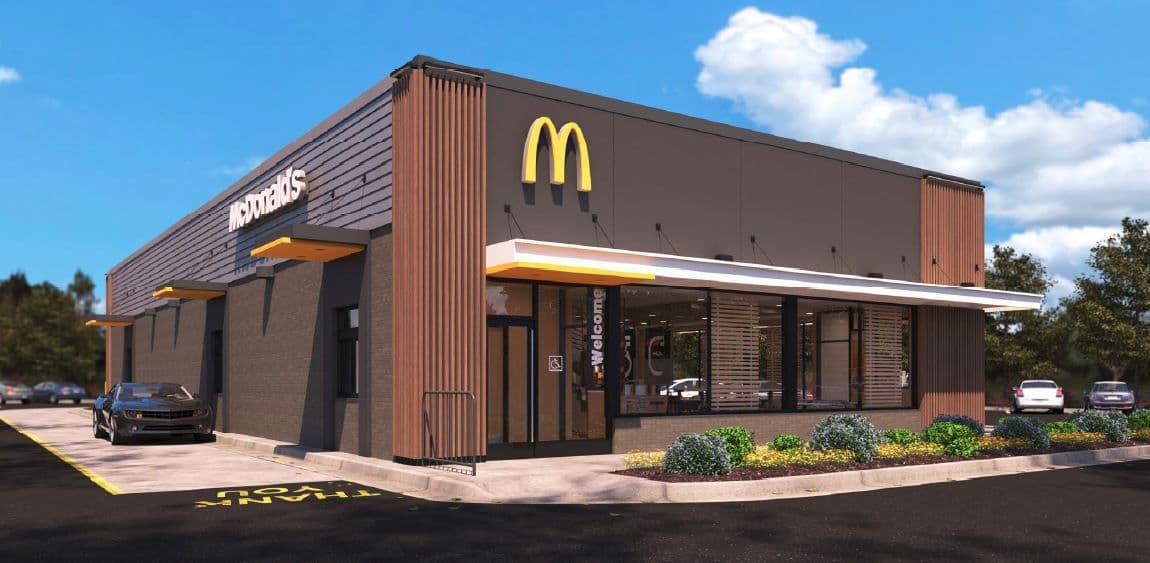
Property overview
Retail NNN properties in Austin, TX offer 1031 exchange investors the stability of long-term, credit-backed leases combined with the simplicity of triple-net ownership. From convenience stores and quick-service restaurants to grocery-anchored strip centers and standalone pharmacy buildings, retail NNN assets provide predictable income streams that require minimal day-to-day management. The Austin metro's robust consumer spending environment and population growth support strong retail fundamentals across suburban and infill locations.
Why investors choose this type
Predictable Cash Flow
Long-term leases with built-in rent escalations and credit-quality tenants deliver reliable monthly income that exchange investors can count on. Contractual rent increases of 1.5% to 2.5% annually protect purchasing power against inflation over the lease term.
True Passive Ownership
Under NNN terms, tenants are responsible for all property operating expenses including taxes, insurance, and maintenance. This structure eliminates virtually all landlord management duties, making retail NNN the closest equivalent to bond income in commercial real estate.
Flexible Price Points
A wide selection of retail NNN properties ranging from smaller single-tenant pads under one million dollars to larger multi-tenant centers allows investors to precisely match their exchange equity requirements. This flexibility simplifies the identification and closing process.
Consumer Spending Tailwinds
The Austin metro's strong consumer spending fundamentals, driven by high household incomes and population growth, support long-term tenant viability and lease renewal rates. Retailers in well-located Austin properties benefit from expanding trade area demographics.
Common questions
What types of retail tenants are most common in NNN 1031 exchange properties?
Common NNN retail tenants include quick-service restaurants, pharmacies, dollar stores, auto parts retailers, convenience stores, and bank branches. These tenants typically sign 10- to 20-year leases with rent escalations, making them attractive for exchange investors seeking stable, long-term income.
How do I compare retail NNN properties during the 45-day identification period?
Key comparison factors include tenant credit rating, remaining lease term, rent escalation structure, cap rate, location quality, and building condition. Your exchange advisor can help you evaluate multiple properties quickly to ensure you identify the best options within the statutory deadline.
What happens if a retail NNN tenant vacates after my 1031 exchange?
If a tenant vacates, you become responsible for releasing the space and covering operating expenses. To mitigate this risk, focus on tenants with investment-grade credit, long remaining lease terms, and locations with strong real estate fundamentals that support releasing at market rents.
Speak with our desk